
Collection
Turfpoort Bastion
The outdoor area features a collection of Napoleonic cannons and replicas of military machinery. The museum collection in the casemates consists of archaeological finds, prints, small arms and firearms, equipment and other military objects and everyday items.
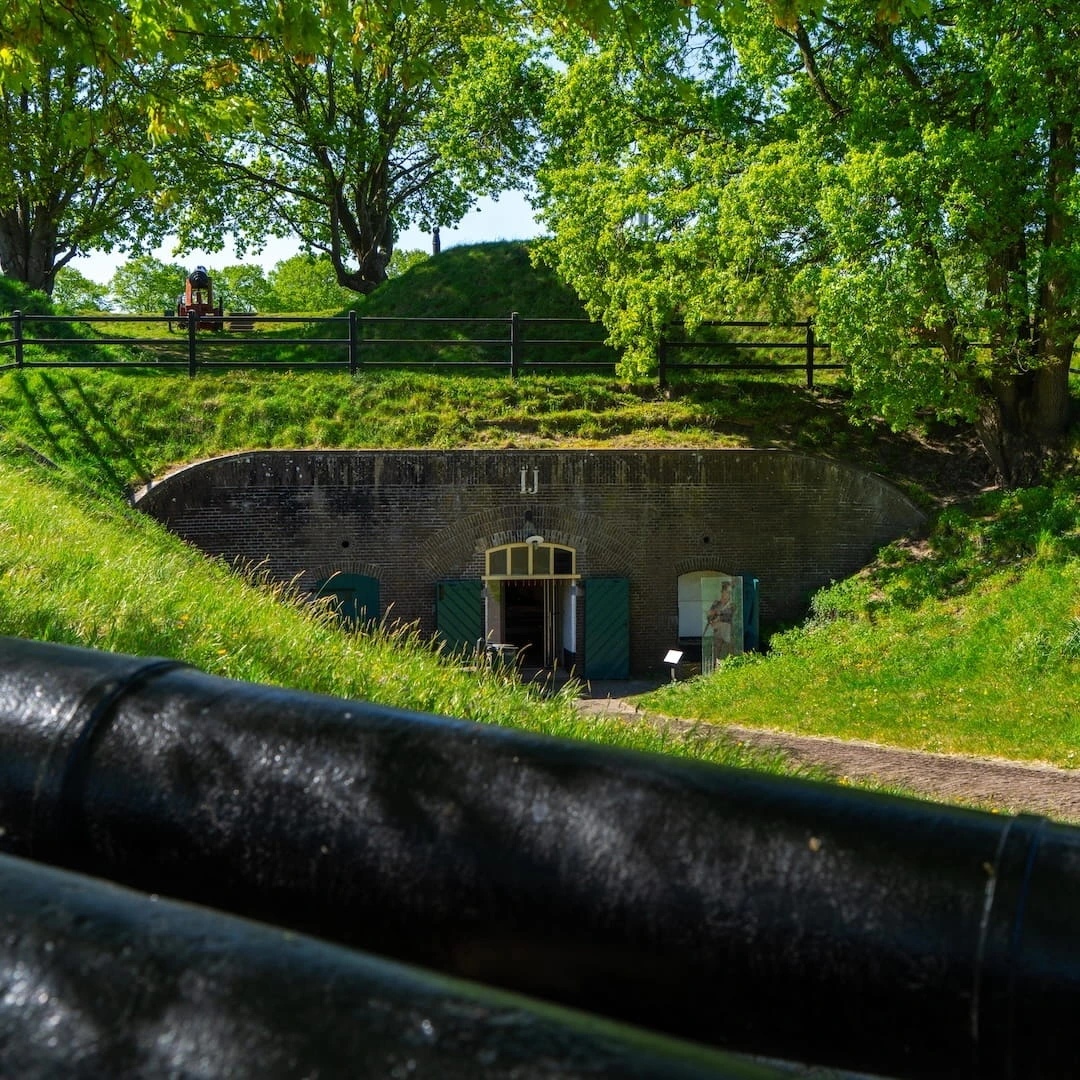
Turfpoort Bastion
The outdoor area features a collection of Napoleonic cannons and replicas of military machinery. The museum collection in the casemates consists of archaeological finds, prints, small arms and firearms, equipment and other military objects and everyday items.
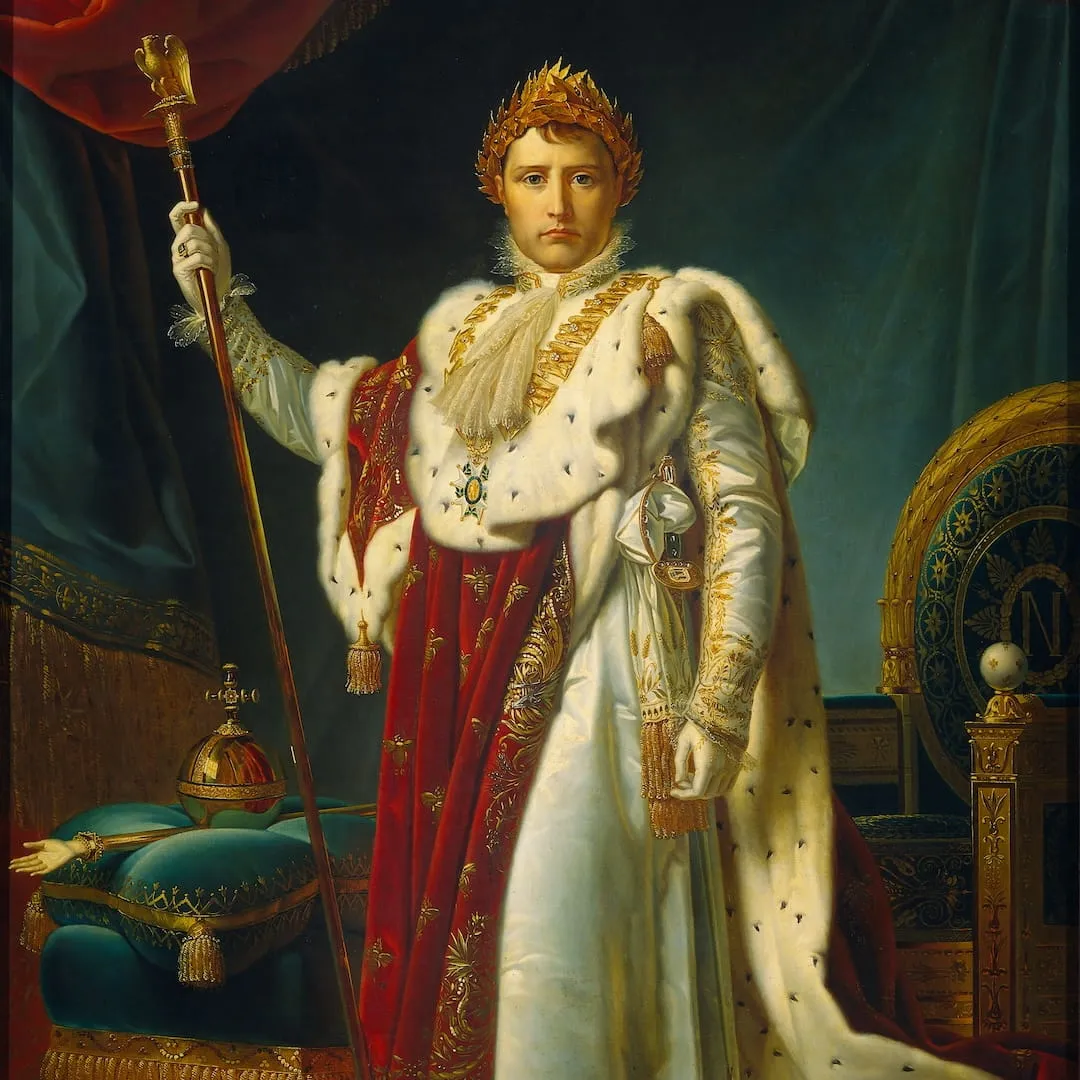
Napoleon and Naarden
Naarden and the Nederlands Vestingmuseum have a special connection with Napoleon Bonaparte. During the French period, the fortified town played an important role in the history of Europe.
On 21 October 1811, Emperor Napoleon Bonaparte visited Naarden Fortress. He inspected the fortress during his journey through the Netherlands, which France had annexed to its empire a year earlier. His visit shows how important Naarden was within the French military system at the time.
In 1813, the tide turned. Napoleon was defeated at the Battle of Leipzig and the French army had to withdraw from the Netherlands. However, the French garrison in Naarden Fortress initially stayed put and refused to surrender.
A turbulent period followed: a six-month siege, with heavy bombardment of the fortress. The French troops eventually surrendered to the Dutch army on 12 May 1814.
Grand Cross of the Military William Order
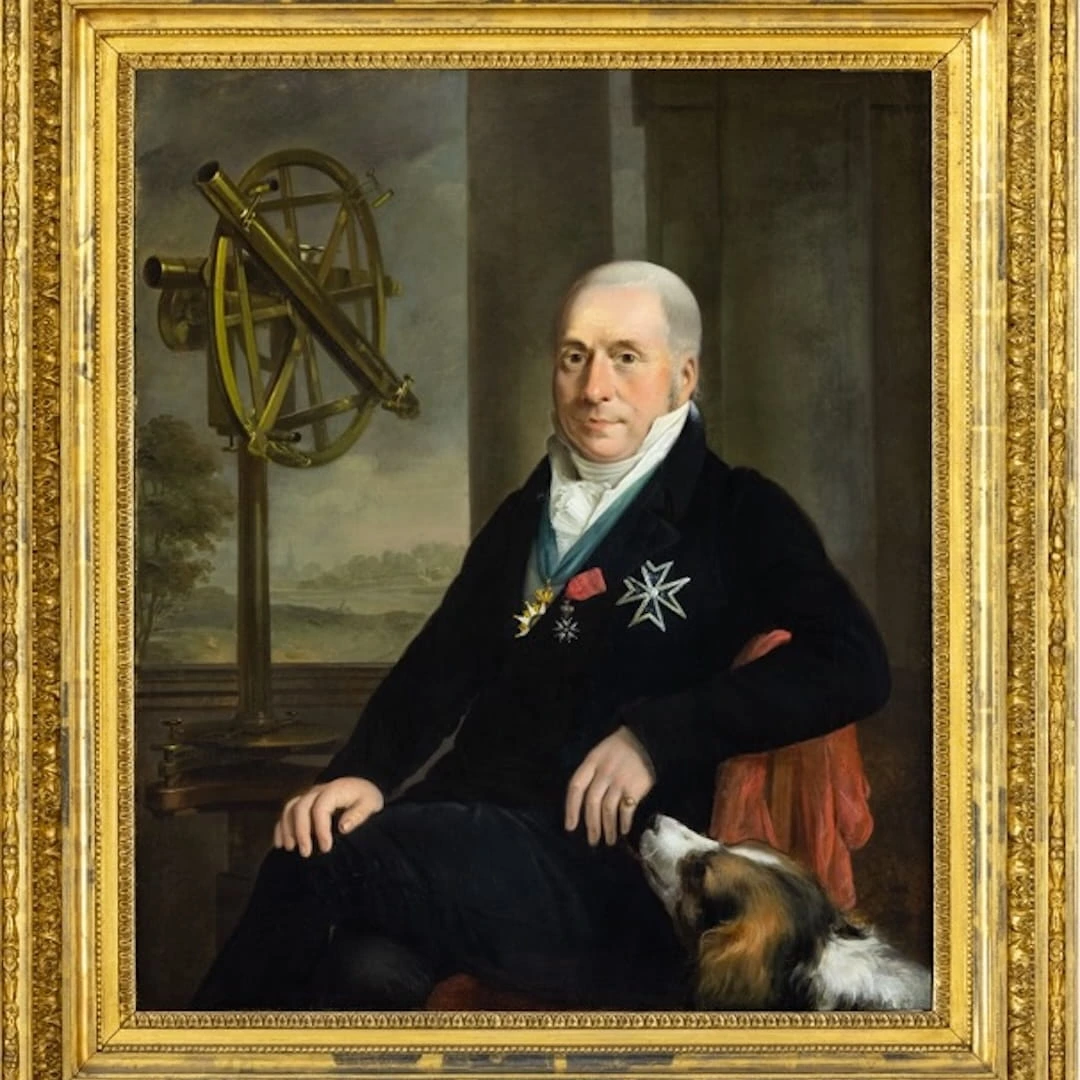
A special sub-collection is dedicated to General Cornelis Rudolphus Theodorus Baron Krayenhoff (1758–1840). He was a doctor, physicist, hydraulic engineer, cartographer and soldier. Krayenhoff played an important role in the history of the Netherlands and is regarded as one of the founders of modern Dutch defence.
The museum manages a large number of personal possessions, documents and other objects associated with Krayenhoff. This collection offers a unique insight into his life and work.
In 1815, he was appointed baron by King William I. He later received the Grand Cross of the Military William Order, the highest Dutch military decoration.
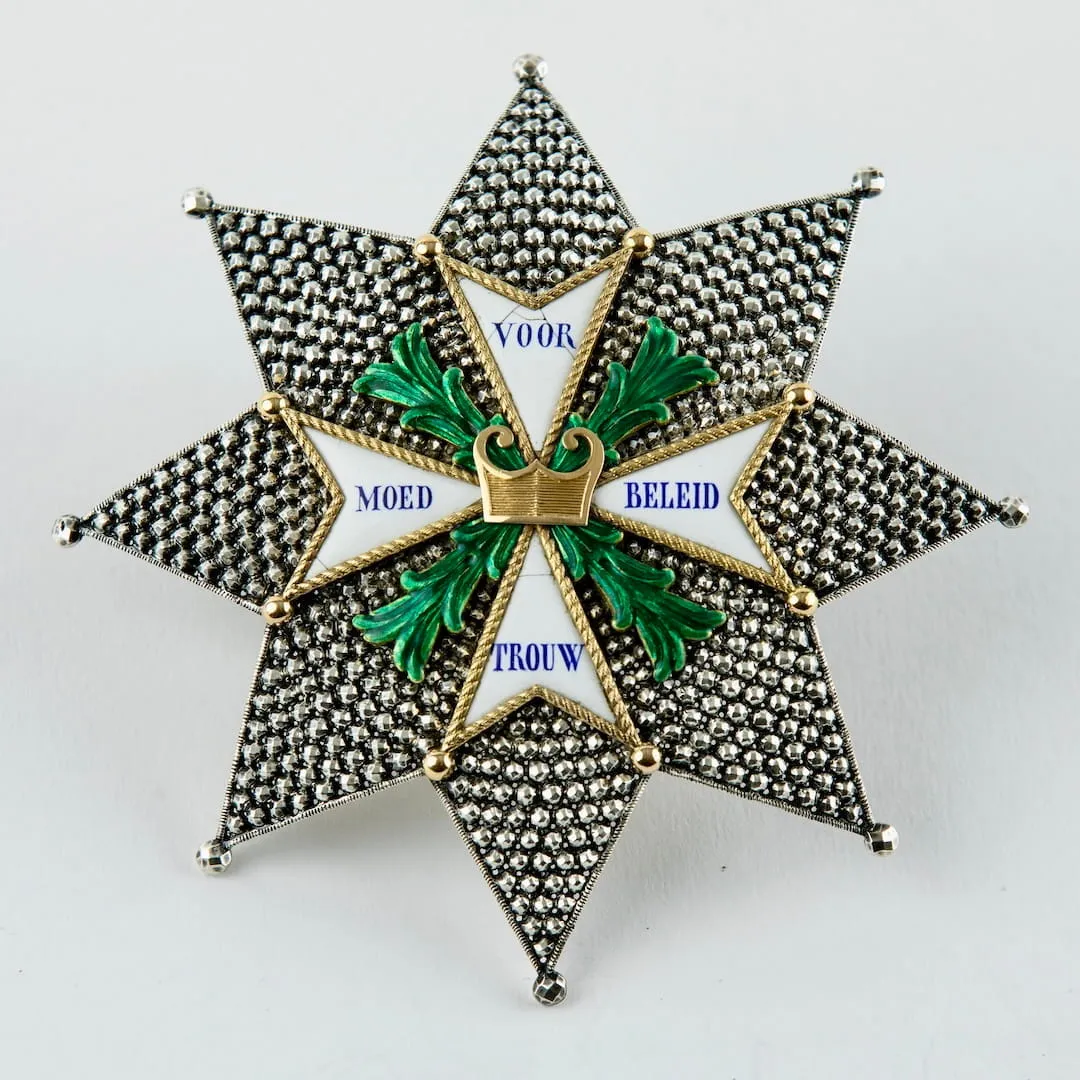
Grand Cross of the Military William Order
The museum manages a large number of personal possessions, documents and other objects associated with Krayenhoff. This collection offers a unique insight into his life and work.
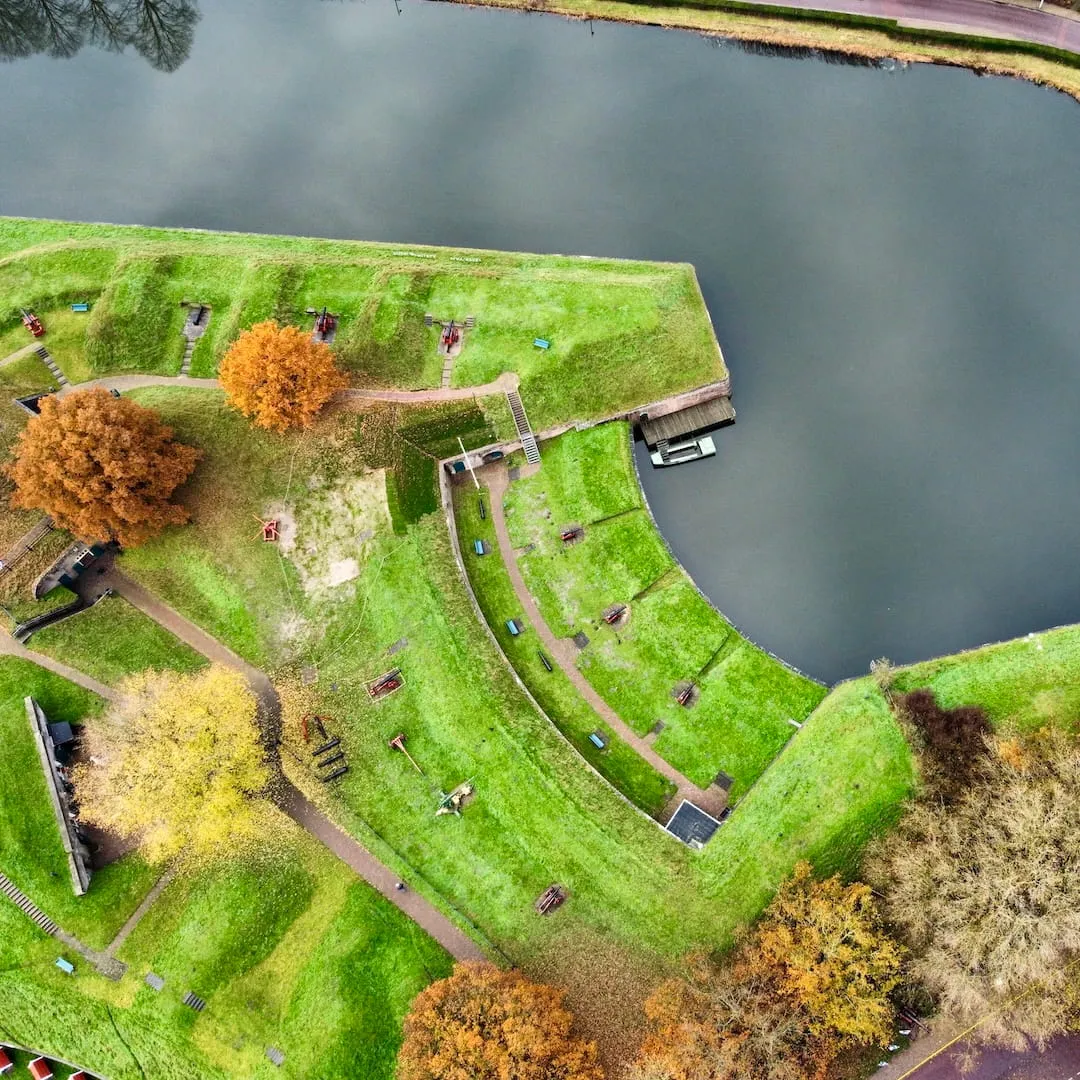
Fortification construction
He also used precise measurements to map the elevation of the Netherlands and helped establish the Amsterdam Ordnance Datum (NAP). This knowledge was indispensable for deliberately flooding land as part of the defence.
During the French Period, Krayenhoff held several senior posts, including Minister of War. After the French left in 1813, he was put in charge of the siege of Naarden. The French garrison kept the fortress occupied for months. The French finally surrendered on 12 May 1814, after hearing that Napoleon had abdicated.
Krayenhoff Collection
The Krayenhoff Collection is dedicated to General Cornelis Krayenhoff (1758–1840), one of the Netherlands’ most important military and hydraulic engineering innovators. As Director of Fortifications, he laid the foundations for the New Dutch Waterline, helped establish the Normal Amsterdam Level (NAP) and played a key role during the Siege of Naarden in 1814.
The Dutch Fortress Museum manages a unique collection of personal possessions, documents and military objects that shed light on Krayenhoff’s varied life and work. Together, they tell the story of a man who shaped the defence of the Netherlands for generations to come.
Krayenhoff Collection
The Krayenhoff Collection is dedicated to General Cornelis Krayenhoff (1758–1840), one of the Netherlands’ most important military and hydraulic engineering innovators. As Director of Fortifications, he laid the foundations for the New Dutch Waterline, helped establish the Normal Amsterdam Level (NAP) and played a key role during the Siege of Naarden in 1814.
The Dutch Fortress Museum manages a unique collection of personal possessions, documents and military objects that shed light on Krayenhoff’s varied life and work. Together, they tell the story of a man who shaped the defence of the Netherlands for generations to come.
UNESCO World Heritage Site
Plan your visit, buy a ticket
Tickets