
Dutch Water Line
Water as an ally
The Dutch Water Defence Lines form an ingenious network of fortresses, forts, locks, dykes and floodable areas. In times of war, large areas of land could deliberately be flooded. With a water depth of around 30 to 60 centimetres, the area was too deep to march through and too shallow to sail across. This created an almost impregnable line of defence.
The history of the Dutch Water Lines began in the seventeenth century with the Old Dutch Water Line. In the nineteenth century, King William I had the defences modernised and moved further east. This led to the creation of the New Dutch Water Line: a defensive line approximately 85 kilometres long, stretching from Muiden to the Biesbosch.
The line comprises an impressive network of 45 forts, 6 fortified towns, 2 castles, dozens of military sluices, hundreds of casemates and shelters, and an extensive system of waterworks. Between 1815 and 1940, the New Dutch Water Line formed the main defence of the western Netherlands.
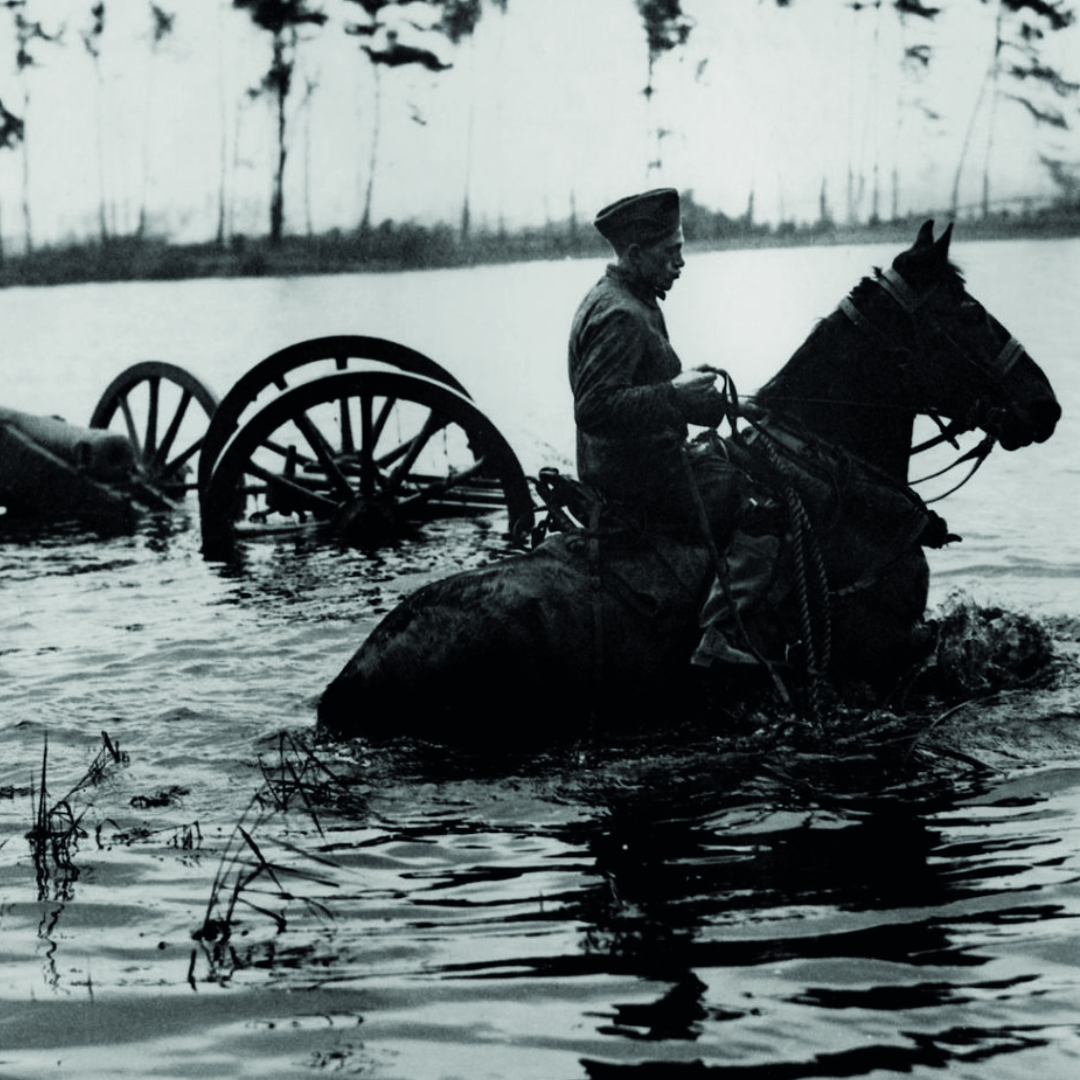
Dutch Water Line
The history of the Dutch Water Lines began in the seventeenth century with the Old Dutch Water Line. In the nineteenth century, King William I had the defences modernised and moved further east. This led to the creation of the New Dutch Water Line: a defensive line approximately 85 kilometres long, stretching from Muiden to the Biesbosch.
The line comprises an impressive network of 45 forts, 6 fortified towns, 2 castles, dozens of military sluices, hundreds of casemates and shelters, and an extensive system of waterworks. Between 1815 and 1940, the New Dutch Water Line formed the main defence of the western Netherlands.
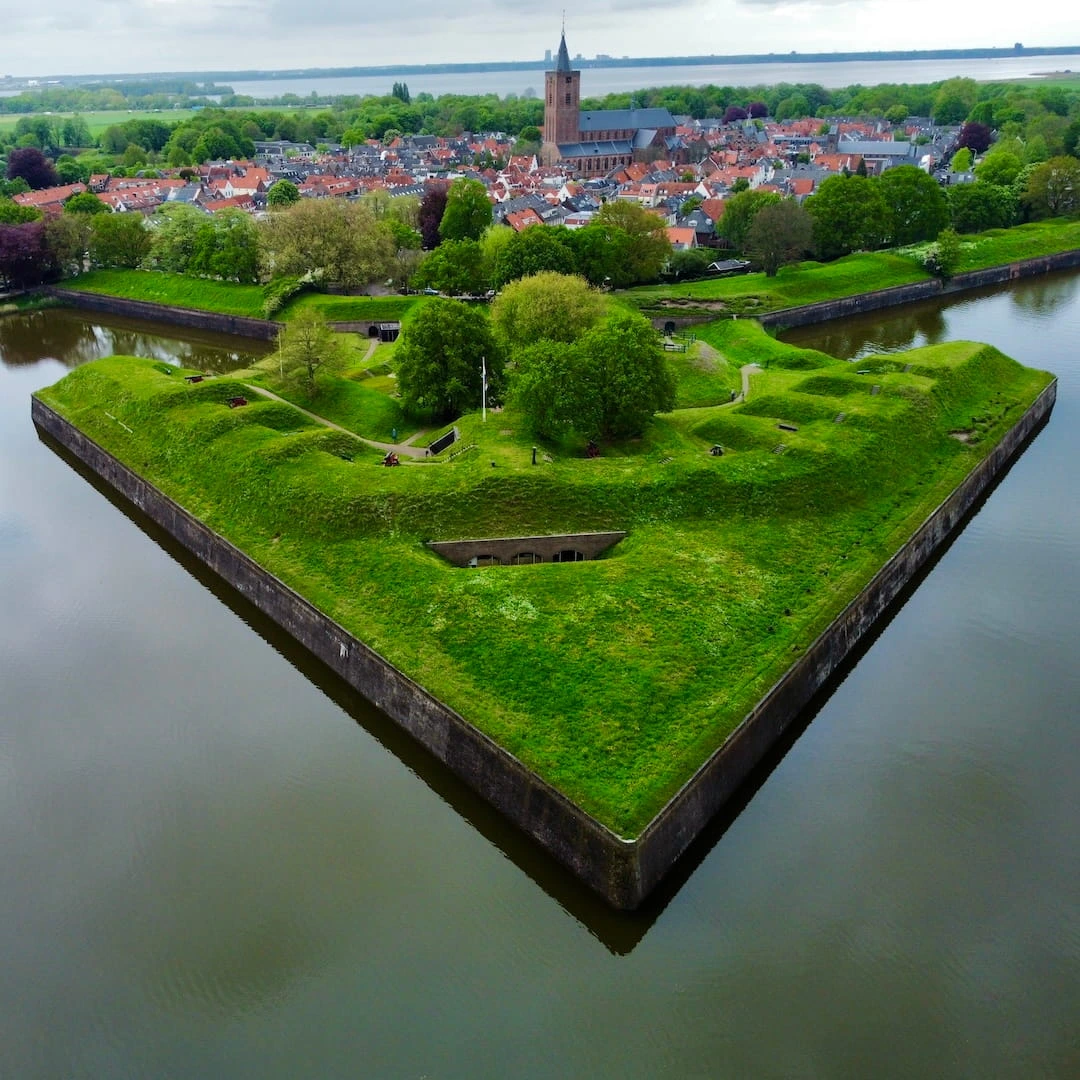
UNESCO World Heritage Site
Since 2021, the New Dutch Waterline and the Defence Line of Amsterdam have together been on the UNESCO World Heritage List under the name ‘Dutch Water Defence Lines’. The area is therefore internationally recognised as a remarkable example of Dutch expertise in water management and defence.
At the Dutch Fortress Museum, you can discover how this ingenious system worked, the role played by Naarden Fortress and how water was the Netherlands’ most powerful defensive weapon for centuries.
Plan your visit, buy a ticket
Tickets